
Whether you're building a dedicated home gym or just want a convenient way to walk and run indoors, a treadmill is one of the most effective cardio investments you can make. This guide covers everything you need to know before buying — so you don't waste money on the wrong machine.
Manual vs Motorized: Which Is Right for You?
This is the first decision to make, and it matters more than most people realize.
Motorized treadmills have an electric motor that drives the belt. You set the speed and the belt moves at a consistent pace. They're better for running, easier to use, and offer a wider speed range.
Manual treadmills are powered entirely by your own movement — you push the belt with your feet. They're cheaper, require no electricity, and are more compact. The trade-off: they're harder to use for running and feel awkward at higher speeds.
Our recommendation: Unless you're on a strict budget or only want to walk, go motorized. The experience is significantly better and the price difference has narrowed considerably. Read our full motorized vs manual treadmills comparison for a detailed breakdown.
What to Look For in a Home Treadmill
Motor Power (for motorized models)
- 1.5–2.0 CHP — suitable for light walking and occasional jogging
- 2.5–3.0 CHP — good for regular running up to 5–6 days per week
- 3.0+ CHP — recommended for intense daily training or heavier users
Look for continuous horsepower (CHP), not peak horsepower. Manufacturers sometimes advertise peak HP, which is a less useful figure.
Belt Size
The belt needs to be wide and long enough for your natural stride.
- Width: At least 18 inches; 20 inches is better for running
- Length: At least 50 inches for jogging; 54–60 inches for running
Weight Capacity
Most home treadmills support 220–300 lbs. If you're near or above that range, look specifically for high-capacity models — they also tend to have more durable frames overall.
Incline
Incline walking burns significantly more calories than flat walking at the same speed. Look for at least 10% incline. Auto-incline (adjusts while running) is worth paying for.
Foldability
If space is a concern, a folding treadmill stores upright against a wall. Most fold relatively flat. Check the footprint when folded vs unfolded.
Price Ranges: What You Actually Get
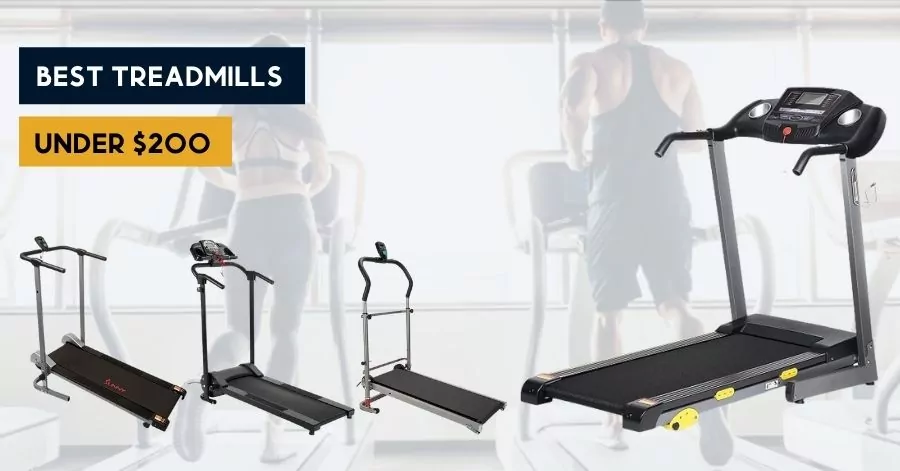
Under $300: Expect basic motorized models with small belts, noisy motors, and limited incline. Fine for walking but not comfortable for running.
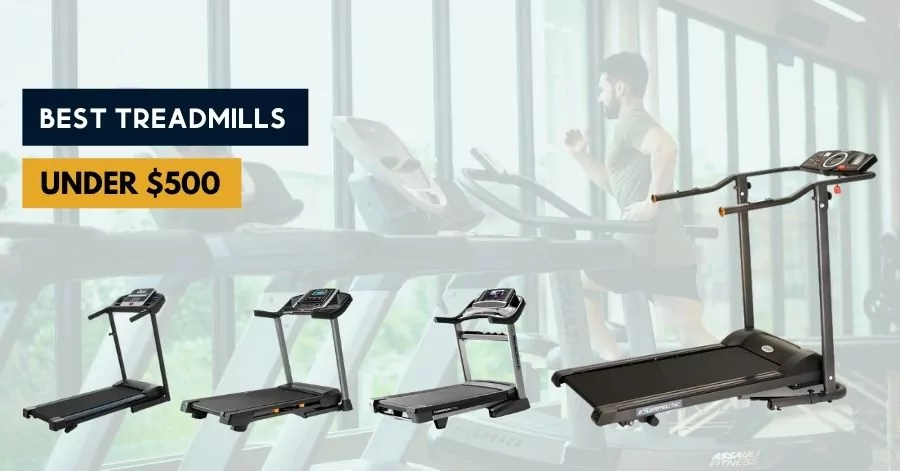
$300–$500: This is where quality starts to improve meaningfully. Wider belts, quieter motors, 10–15% incline, and longer warranties. Most people should buy in this range.
$500–$1,000: Solid running treadmills. Auto-incline, integrated display, Bluetooth, better cushioning. Worth it if you run regularly.
$1,000+: Commercial-grade durability, large touchscreens, streaming fitness classes (iFIT, Peloton). Harder to justify for most home users.
Common Mistakes to Avoid
Buying by price alone. A $150 treadmill that breaks in six months is not a bargain. Spend at least $300 for a motorized model you'll actually keep using.
Ignoring the noise. Cheap treadmills are loud — an issue if you have downstairs neighbors or a sleeping baby. Read reviews specifically about noise level.
Forgetting the mat. A treadmill mat ($30–$60) protects your floor, reduces noise, and stabilizes the machine. Always buy one.
Skipping the warranty check. Look for at least a 1-year parts and labor warranty. Better brands offer 5–10 years on the frame.
Our Full Treadmill Reviews
Browse our in-depth, hands-on reviews below — each one covers real-world performance, who it's best for, and honest pros and cons.